
Our Story
Lucy Biotech provides cutting-edge technologies for cryopreserving cells, tissues, and organs. Our solutions are inspired by nature and it is effective and non-toxic. Founded by a group of Canadian scientists who were fascinated by arctic species, today we offer an innovative approach to combat current challenges in cryobiology worldwide. Get in touch today to learn more.
Management Team
Igniting Hong Kong's Biotech Renaissance with Advanced Cryopreservation
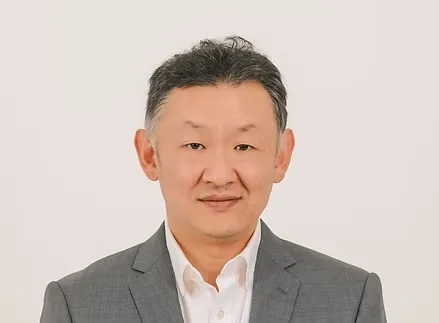
President
Ken Lee
Ken Lee is the founder of Lucy Biotech and holds an MBA from the Richard Ivey School of Business. Ken has over 25 years of biotech industry experience, and is very seasoned in preclinical and clinical development of biologics. As President & CEO at iProgen Biotech, Ken managed all aspects of the business operations, including financing, implementation of business plans, communication towards stakeholders, recruiting and managing employees, and developing collaborations and partnerships.
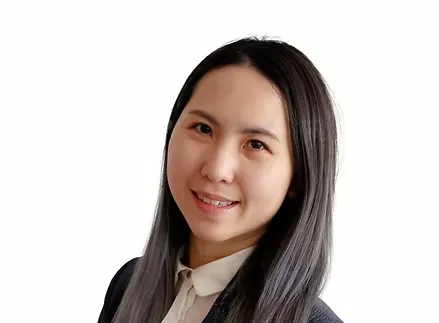
Chief Executive Officer
Melodie Lu
Melodie Lu has been the CEO and a member of the Board of Directors for Lucy Biotech since November 2022. Prior to becoming a member of Lucy, Melodie amassed 7 years as the director of operations at iProgen Biotech Inc. Melodie began her career at the Jack Bell Research Centre at the University of British Columbia then, transitioned to work in a start-up biotech company. She leads a team of scientists and technicians in recombinant protein production.
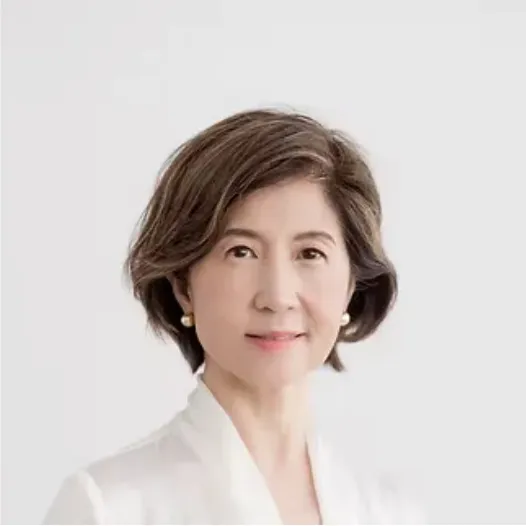
director
Virginia Devereux Wong
Virginia’s career spans over 35 years in the mutual fund industry with a strong track record of business success and a renowned reputation in establishing new businesses. Virginia first became involved in the funds industry in 1987 and has since established her asset management business in private partnership, and subsequently, in working for global asset managers and major investment banks, such as SEI, Goldman Sachs, Standard Life Investments and HSBC Global Private Banking. She currently serves as a Senior Advisor and Board Member for AutoML Capital, an AI Powered Investment Management Company. She also serves as a Board member of Pathfinders Hong Kong (Non-Profit).
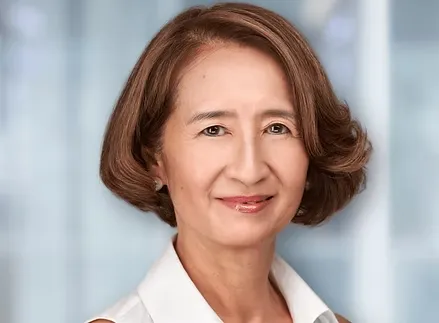
Senior Advisors
Vivien Webb
Vivien experienced more than 35 years in private wealth management in Asian, working across several top international institutions, including Morgan Stanley, Goldman Sachs, HSBC, and Chase Manhattan Bank. Throughout her career, Vivien enjoyed senior-level relationship management and advisory responsibilities, witnessing a tremendous increase in Asian-based entrepreneurs who not only built fast-growing successful businesses but also sought to use their success philanthropically.

Research Team
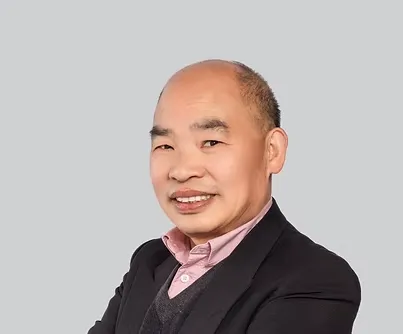
SCIENTIFIC ADVISOR
Professor Caigan Du
Dr. Caigan Du obtained a BSc degree in Biology from Jiangxi University in China, and a MPhil and PhD in Biological Sciences/Biochemistry from the University of Wales. After post-doctoral training in immunology and an instructor position at Vanderbilt University, he joined Lorus Therapeutics, Inc. in Toronto as a scientist, followed by an assistant professor position with the University of Western Ontario. In 2007, Du was recruited to the Department of Urologic Sciences at the University of British Columbia where he is an associate professor. His current research interests include mechanistic investigation of kidney injury, repair and fibrosis; development of preventive and therapeutic strategies for chronic kidney disease; kidney transplant preservation, and therapeutic potentials for mesenchymal stromal/stem cells. Dr. Du’s research has been supported by the Kidney Foundation of Canada, the Canadian Institutes of Health Research, the Natural Sciences and Engineering Research Council of Canada, the Michael Smith Foundation for Health Research and other funding agencies. He is an overseas fellow of the Royal Society of Medicine and an active member of the Canadian Society of Nephrology, Canadian Society of Transplantation and the American Physiological Society. In 2023, Dr.Du moved his research to Ningbo Guoke Research Institute to continue his research in cells and organ preservation. He remain his work as an editorial board member and ad hoc reviewer for several scientific journals.
SCIENTIFIC ADVISOR
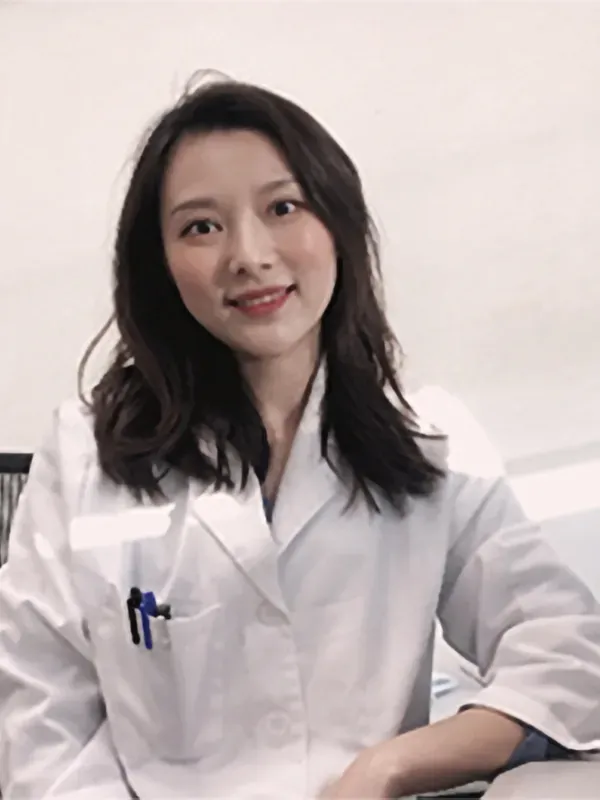
Professor Jessica Ai-jia Liu
Prof. Jessica Ai-jia Liu completed her Bachelor’s degree in Biochemical Engineering at East China University of Science and Technology in Shanghai. She pursued a PhD degree in the Department of Surgery at the University of Hong Kong and engaged in postdoctoral training in the School of Biomedical Sciences, Li Ka Shing Faculty of Medicine at the University of Hong Kong. In 2019, she was appointed as a Research Assistant Professor in the Department of Anaesthesiology. Prof. Liu has made significant contributions to the understanding of the molecular mechanisms that govern nervous system development and associated disorders. Her research endeavors have been acknowledged through multiple awards, including the YS and Christabel Lung Scholarship (2015), the Outstanding Postgraduate Award (2016), the Hong Kong Young Scientist Award (2016), and the LKS Faculty Outstanding Research Output Award (2018). Her research findings have been featured in press releases at the Faculty/University levels and covered by local media. Dr. Liu joined the City University of Hong Kong in 2022.
SCIENTIFIC ADVISOR
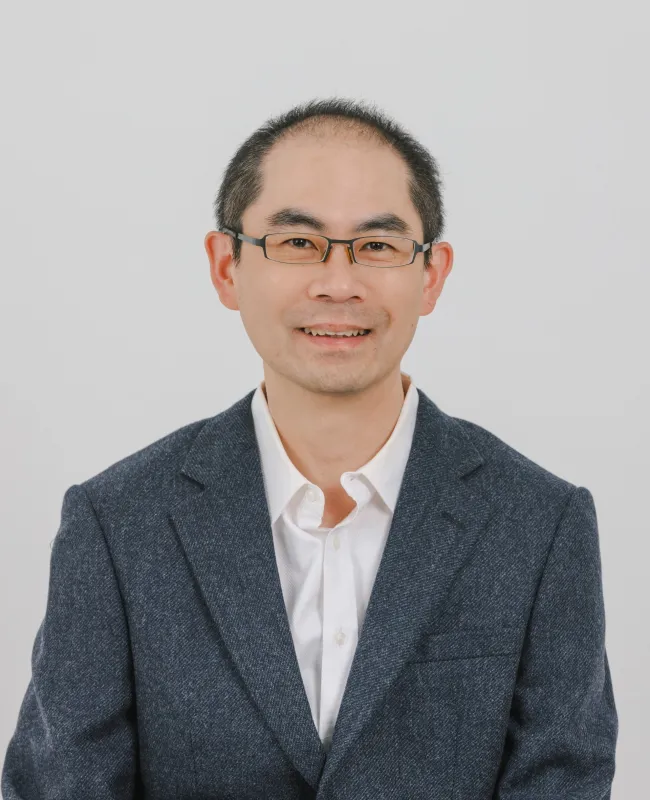
Dr. Leo Lin
Expert protein scientist providing strategic scientific guidance to Lucy's protein modification and delivery technology development and collaboration programs for over 15 years, leveraging deep expertise in protein engineering. He received Ph.D. from McGill and completed Post doc at UBC.
RESEARCH ASSOCIATE
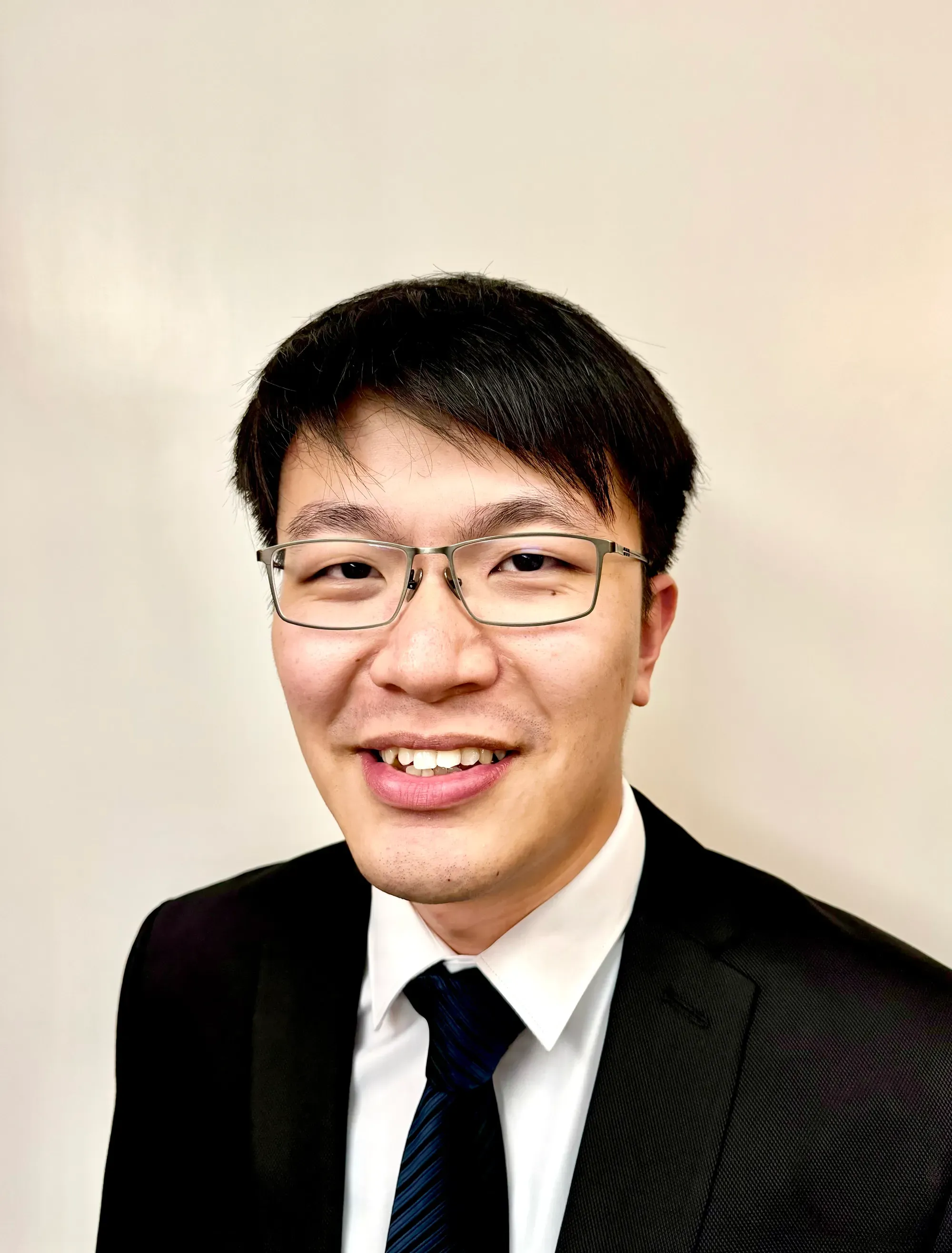
Dr. Jonathan Kwan
Jonathan Kwan is a science researcher with a strong background in molecular biology and chemical biology. He completed his BSc in Biochemistry and PhD in Chemical Biology at The University of Hong Kong, where his research focused on chromatin biology, protein–DNA interactions, and in vitro biochemical assays. His doctoral work involved advanced molecular cloning, recombinant protein expression and purification, nucleosome reconstitution, enzymatic kinetics, and proteome-wide analysis using LC-MS/MS. Jonathan has extensive hands-on experience in protein chemistry, including peptide synthesis, protein labelling, ligation, and chemical and photo-crosslinking, as well as biophysical assays such as FRET-based molecular dynamics studies. He has contributed to high-impact publications in Science Advances and Nucleic Acids Research, investigating synthetic nucleosomes and post-translational histone modifications. He applied his technical skills to further explore novel proteins for cryopreservation at Lucy, expanding his expertise beyond academic research into applied biotechnology. Jonathan is fluent in English, Mandarin, and Cantonese and is motivated by scientific communication and collaborative research environments.